On July 19, the 2026 FIFA World Cup Final will take place just seven miles from Manhattan at MetLife Stadium in East Rutherford, New Jersey. Although the venue was originally built for American football, concerts, and major entertainment events, it will now host the biggest fixture in world football.
Fans checking the latest World Cup outright odds ahead of the final will be keeping a close eye on a stadium designed for a completely different sport. Its journey from NFL venue to World Cup showpiece is a remarkable story of innovation, adaptability, and world-class engineering.
Preparing MetLife Stadium for the World Cup Final
MetLife Stadium typically uses an artificial playing surface, something NFL players have frequently criticised due to concerns over player safety and increased injury risk. For the FIFA World Cup, however, the artificial turf has been replaced with a natural grass pitch that meets international football standards.
To accommodate FIFA regulations, approximately 2,000 seats have been removed, allowing the playing surface to be widened to full-size football dimensions. These upgrades ensure the stadium delivers an elite playing experience for the world’s best players.
Located inland in East Rutherford, New Jersey, the stadium can experience hot and humid summer conditions. Fortunately, the scheduled evening kick-off should provide more comfortable temperatures for both players and supporters.
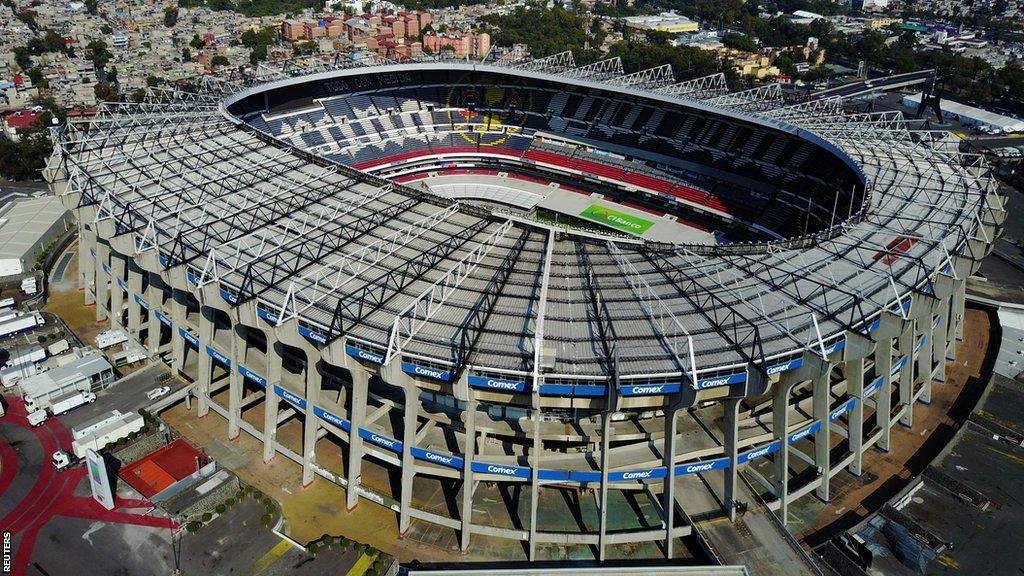
Unlike many modern venues, MetLife Stadium does not feature a retractable roof, leaving it exposed to the elements. Weather has already played a significant role during the tournament, with England’s Round of 16 clash against Mexico delayed by an hour due to severe conditions at Estadio Azteca, while thunderstorms also threatened their quarter-final in Miami. As a result, weather conditions could once again become a talking point on football’s biggest stage.
A Stadium Designed Without a Home Identity
One of MetLife Stadium’s most distinctive features is its neutral design.
The venue became the first stadium built specifically to be shared equally by two NFL rivals—the New York Giants and New York Jets. Architects HOK and EwingCole deliberately avoided incorporating permanent team branding into the stadium’s structure. There are no club colours embedded in the concrete, no giant crests on the façade, and no permanent visual advantage for either franchise.
That neutrality makes the venue an ideal setting for a FIFA World Cup Final, where two nations compete on completely equal footing in one of sport’s greatest occasions.
Engineering a Modern Stadium at Speed
Construction of MetLife Stadium progressed at an impressive pace.
Groundwork began in May 2007, with the stadium opening less than three years later in April 2010. Structural engineering firm Thornton Tomasetti utilised advanced Building Information Modelling (BIM), creating highly detailed digital models that allowed steel fabrication and procurement to progress alongside the design process rather than waiting until plans were completed.
Working alongside contractor Skanska USA, this streamlined approach significantly reduced construction time on a project spanning approximately 910 by 740 feet. Despite its enormous size, the structure incorporates just four expansion joints, highlighting the efficiency of its engineering.
The Numbers Behind MetLife Stadium
MetLife Stadium remains one of the largest sporting venues in North America.
Key statistics include:
- Capacity of 82,500 spectators
- Approximately 2.2 million square feet of space
- 10,000 premium club seats
- 217 luxury suites
- Expansive public plazas and retail areas
- Dedicated halls of fame celebrating both NFL franchises
Designed as a year-round entertainment destination, the stadium attracts visitors well beyond game days through concerts, sporting events, and other major attractions.
Football’s Biggest Stage Comes to New Jersey
When MetLife Stadium first opened, few could have predicted it would one day host a FIFA World Cup Final. Yet on July 19, the stadium will welcome a capacity crowd while millions more tune in worldwide to watch football’s biggest match unfold.
Whether fans are following the action live, analysing the latest football betting markets, or tracking the World Cup outright odds, all eyes will be on East Rutherford as MetLife Stadium takes its place in football history.